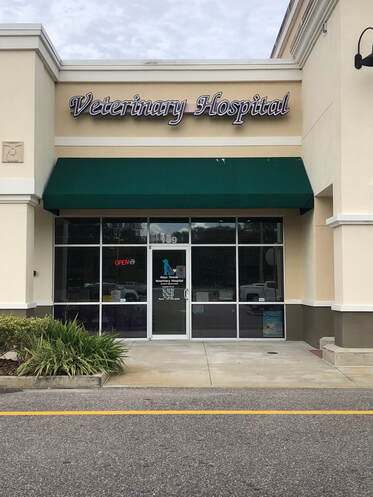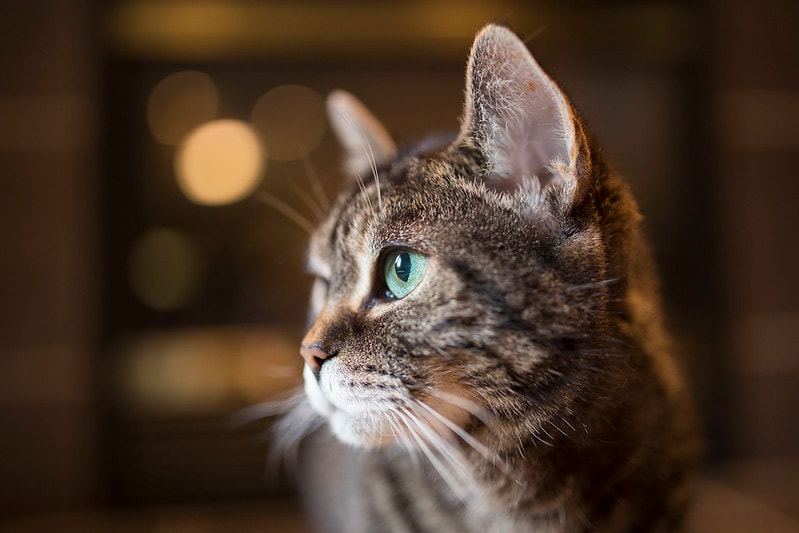
Here at Hays Towne Veterinary Hospital we strive to provide you and your pet with only the best veterinary medicine possible through high quality patient care, cutting edge diagnostics and exceptional service and communication. It is our mission and pleasure to provide professional and compassionate veterinary care to your loved ones.
Pet Microchipping Special – June Only
The aftermath of Tropical Storm Andrea shows just how important it is to microchip your pet, because it only takes seconds for them to get lost in the chaos of a hurricane.
We will have Microchips for $30 for the month of June.
Call today to make an appointment.
Next GROOMING DAY is Saturday April 13th, from 8AM to 2PM.
(By Appt. Only) (727) 378-9008
Why should your dog/cat be groomed?
Grooming allows removal of dead hair & skin (dander) from your dog/cat’s coat. This will not only improve the look of the coat, but will also improve air circulation to the skin, which is especially important during the hot months when it is hot and humid.
Grooming increases the blood flow to the dog/cat’s hair follicles, which will improve the overall health of the skin and coat.
Brushing will allow your dog/cat’s skin and coat to be massaged, which stimulates the lymphatic system which provides additional health benefits for your dog/cat.
Your dog/cat will need their nails trimmed. Having long nails changes the way your dog/cat carries his/herself. The different angle of the bones causes pressure and joint stress and can lead to joint pain and arthritis. Not to mention, long nails can easily get caught on a rug, carpet, furniture and outside bushes and plants.
Dental Cleaning Special – Extended
Since our February Dental Special was so popular we are extending it through March. $100 off a Dental Cleaning.

Blood TestBlood is drawn from the dog & tested for a protein shed by the female worm as she passes microfilaria (babies). This test is very reliable.
Then X-rays, blood labs, and urinalysis are evaluated to determine the impact of the heartworm infection on the dog’s health. Your dog will then be staged for heartworm disease as part of the evaluation.
It assists your veterinarian in choosing the best method of treatment for eliminating the heartworms:
Stage I Lowest risk... young, healthy, minimal heartworm disease evident on X-rays, all other tests are normal.
Stage II Moderately affected... some coughing, some difficulty breathing, changes on X-rays, and blood work may have kidney and/or liver damage.
Stage III Severely affected... weight loss, coughing, and difficulty breathing, more damage visible on x-rays, and blood tests show kidney and/or liver damage.
Stage IV Caval Syndrome... the dog is collapsing in shock, all of the above abnormalities are more intense and the dog is dying.
Another factor is when some animals develop a severe allergic reaction to the heartworms, or microfilaria. This more elusive kind of reaction occurs most often in cats. It is not uncommon for infected cats to suddenly die from the effects of just a few worms.
more info
Treatment
2) The only FDA approved drug is called Melarsomine dihydrochloride. It is used in a 3 dose protocol established by the American Heartworm Society.
3) The most serious side effects usually occur during the treatment of the adult heartworms. When the worms die & lodge in the lung arteries and cause pulmonary thrombosis.
4) A multimodal approach is taken before, during, & after adulticide treatment. After staging, but before & during treatment, the dog is given a monthly heartworm preventative. The dog will also receive antibiotics that kill the bacteria that the heartworms carry. Pain medication & anti-inflammatories are given during the treatment.
5) Approximately six months after adulticide therapy, the dogs are retested for the presence of heartworm(s).